

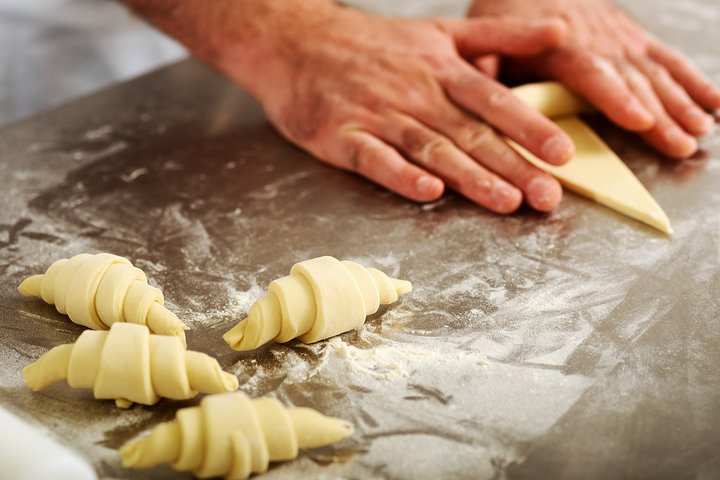


Paris Pastry & Baking Classes: Make French Pastries Yourself
Quick summary: A Paris pastry or baking class is a hands-on experience where you learn to make classic French pastries yourself — croissants, macarons, éclairs, tarts and more — guided by a professional chef in a proper kitchen. France is the home of pastry, and these classes let you master the techniques behind the famous treats, with the fun and satisfaction of baking (and eating) your own creations. Classes range from macaron workshops to croissant masterclasses, suiting all levels, and you take your creations away. It’s ideal for those with a sweet tooth, keen bakers, and anyone wanting a fun, hands-on taste of French pastry. This guide covers what to expect and how to choose.
Paris Pastry & Baking Classes at a Glance
| Detail | Information |
|---|---|
| What it is | A hands-on class making French pastries |
| What you make | Croissants, macarons, éclairs, tarts and more |
| The teacher | A professional pastry chef |
| The setting | A proper kitchen or pastry studio |
| The appeal | Learn the techniques, bake and eat your own |
| Levels | All levels, from beginner to keen baker |
| The takeaway | Your creations, and the skills to repeat them |
| Popular classes | Macaron workshops, croissant masterclasses |
| Best for | Sweet tooths, keen bakers, hands-on fun |
What Is a Paris Pastry or Baking Class?
A Paris pastry or baking class is a hands-on experience where you learn to make classic French pastries yourself — croissants, macarons, éclairs, tarts and more — guided step by step by a professional pastry chef in a proper kitchen or studio.
France is the home of pastry, famous worldwide for its croissants, macarons, éclairs and exquisite patisserie, and these classes let you go beyond eating them to making them yourself, learning the techniques behind the famous treats. Under the guidance of a skilled chef, you mix, shape, bake and finish your pastries, learning the skills, tips and secrets that make French pastry special. It’s practical and hands-on — you do the work, with the chef teaching and helping — and ends with the fun and satisfaction of having baked your own creations, which you then get to eat and take away.
Classes come in many forms. Macaron workshops teach the famously tricky French macaron; croissant masterclasses tackle the art of laminated pastry; others cover éclairs, tarts, or a selection of patisserie. They suit all levels, from complete beginners to keen home bakers, with the chef pitching the class accordingly. Classes are usually small for hands-on attention, and run for a few hours.
The appeal is the combination of learning, doing and enjoying: you gain real pastry skills and insight into French patisserie, have the fun and satisfaction of hands-on baking, and come away with both your creations and the ability to make them again at home. Unlike a tasting or food tour, where you sample, a class is active and creative — you make the food. For those with a sweet tooth, keen bakers, and anyone wanting a fun, hands-on and uniquely French experience, a pastry class is a delightful and rewarding choice.
What Do You Make and Learn in a Pastry Class?
Pastry classes focus on specific French treats, and knowing what you might make and learn gives a sense of the experience, though it varies by class.
Macarons — the famous, delicate French macaron, notoriously tricky to perfect, is a popular class subject; you learn the technique behind these colourful treats.
Croissants — the art of laminated pastry (the butter-layering that makes croissants flaky) is a rewarding masterclass subject, teaching a classic French skill.
Éclairs — choux pastry and éclairs, another French classic, with piping, baking and filling.
Tarts — classic French tarts, from fruit tarts to other patisserie, teaching pastry and finishing.
A selection — some classes make several items or a selection of patisserie for a broader experience.
The techniques — across all, you learn the fundamental techniques, tips and secrets of French pastry — the methods that make the difference — which you can apply beyond the specific item.
Finishing and presentation — you also learn the finishing and presentation that make French pastry so beautiful.
So a pastry class typically focuses on one or a few specific French treats — macarons, croissants, éclairs, tarts — teaching you to make them hands-on while learning the underlying techniques, tips and finishing that make French pastry special. The specific item or items vary by class, so you can choose based on what you most want to make or learn: the tricky macaron, the flaky croissant, or a selection. What’s consistent is learning real, transferable pastry skills, not just following a recipe, so you come away able to recreate the treats at home. For the hands-on satisfaction of making famous French pastries yourself, and genuinely learning how, a class delivers both.
Why Take a Pastry or Baking Class?
A pastry class offers a particular combination of fun, learning and reward, so it’s worth understanding what makes it appealing and how it differs from other food experiences.
Make famous French pastries yourself — you go beyond eating to creating the famous treats, which is far more engaging and satisfying than just tasting them.
Learn real skills — you gain genuine pastry techniques, tips and secrets from a professional chef, skills you can use again at home, not just a one-off experience.
Hands-on and fun — it’s an active, creative, enjoyable experience, the fun and satisfaction of baking, quite different from passive sightseeing or tasting.
Insight into French pastry — you understand what makes French patisserie special, the care and technique behind it, deepening your appreciation.
Eat and take away your creations — you get to enjoy and take home what you make, a delicious and tangible reward.
A memorable, unique experience — making French pastries in Paris with a chef is a memorable, uniquely French thing to do, and a great story.
Suits all levels — from beginners to keen bakers, so anyone can enjoy and learn.
So a pastry class suits those who want a fun, hands-on, creative experience and to genuinely learn to make French pastries, not just taste them — coming away with real skills, their creations, and insight into French patisserie. It differs from a food tour or tasting in being active and creative: you make the food rather than sampling it, which appeals to those who enjoy doing and learning. For sweet tooths, keen bakers, and anyone wanting a memorable, uniquely French hands-on experience, it’s especially rewarding. The lasting skills are a particular benefit — you can recreate the treats long after your trip, making it a gift that keeps giving.
How Do You Choose a Pastry or Baking Class?
Choosing the right class makes for a better experience, given the range of subjects, levels and formats available.
Choose what to make — decide whether you want to make macarons, croissants, éclairs, tarts or a selection, based on your favourite treats or what you most want to learn.
Consider the level — classes suit different levels, from complete beginner to keen baker, so choose one pitched appropriately (most welcome beginners).
Check the format — note the duration, group size and what’s included; smaller classes offer more hands-on attention.
Language — check the class is taught in a language you understand (many are available in English), important for following the techniques.
Group or private — decide between a group class (sociable, good value) or a private class (flexible, personal, or for a group of friends/family).
Flag dietary needs — note any dietary requirements or allergies when booking, as pastry involves common allergens.
Confirm the takeaway — check you get to take your creations away, as most classes let you.
So choosing a pastry class comes down to deciding what you want to make, picking a class at the right level and in a language you understand, and choosing a group or private format. Checking the duration, group size, inclusions and takeaway, and flagging any dietary needs, ensures a smooth experience. With classes available for everything from the tricky macaron to flaky croissants, suiting all levels, there’s one to match most interests and abilities. Whether you’re a complete beginner wanting a fun introduction or a keen baker wanting to master a technique, a little thought about the subject, level and format ensures you pick the class that suits you — and sends you home able to make French pastries yourself.
Practical Tips for Paris Pastry & Baking Classes
- Choose what to make — macarons, croissants, éclairs, tarts or a selection.
- Check the level — most welcome beginners, but confirm it’s pitched for you.
- Check the language — ensure it’s taught in one you understand (many in English).
- Smaller classes offer more hands-on attention from the chef.
- You take your creations away — and learn to make them again at home.
- Flag dietary needs — pastry involves common allergens.
- A fun, hands-on alternative to tastings and tours.
Are Paris Pastry & Baking Classes Worth It?
For sweet tooths, keen bakers, and anyone wanting a fun, hands-on taste of French pastry, a Paris pastry or baking class is well worth it — a delightful, creative and uniquely French experience that sends you home with real skills and delicious creations.
The appeal is the combination of fun, learning and reward. France is the home of pastry, famous for its croissants, macarons, éclairs and exquisite patisserie, and a class lets you go beyond eating these treats to making them yourself, guided step by step by a professional chef. You learn genuine pastry techniques, tips and secrets — the methods that make French pastry special — while enjoying the hands-on fun and satisfaction of baking, and you come away with both your creations to eat and take home, and the skills to recreate them. Unlike a tasting or food tour where you sample, a class is active and creative: you make the food, which is engaging and memorable, and a uniquely French thing to do in Paris. The lasting skills are a particular benefit, letting you recreate the treats long after your trip.
There’s little to weigh against it. The main things are practical: choosing what you want to make (macarons, croissants, a selection), a class at the right level and in a language you understand, and a group or private format. Checking the duration, group size and that you take your creations away, and flagging any dietary needs, ensures a smooth experience. A class is also a time commitment of a few hours, so it’s for those who want to dedicate time to the hands-on experience rather than a quick activity.
But for its audience, these are minor. Whether you’re a complete beginner wanting a fun introduction, a keen baker wanting to master macarons or croissants, or simply someone with a sweet tooth wanting a memorable, uniquely French experience, a pastry class delivers fun, learning and delicious results. You come away having made famous French pastries yourself, with the skills to do it again — a genuinely rewarding and lasting souvenir of Paris. Thoroughly worth it.
A Paris pastry or baking class is a hands-on experience where you learn to make classic French pastries yourself, croissants, macarons, éclairs, tarts and more, guided step by step by a professional pastry chef in a proper kitchen or studio. France is the home of pastry, and these classes let you go beyond eating the famous treats to making them, learning the techniques behind them. You mix, shape, bake and finish your pastries, then eat and take away your creations. Classes suit all levels and run for a few hours.
It varies by class. Popular subjects include the famous, tricky French macaron; croissants, teaching the laminated butter-layering that makes them flaky; éclairs and choux pastry; and classic French tarts. Some classes make a selection of patisserie for a broader experience. Across all, you learn the fundamental techniques, tips and secrets of French pastry, the methods that make the difference, which you can apply beyond the specific item, plus the finishing and presentation that make French pastry so beautiful. Choose a class based on what you most want to make.
No. Classes suit all levels, from complete beginners to keen home bakers, with the chef pitching the class accordingly, so most welcome beginners, who will learn a great deal and have fun. If you are an experienced baker wanting to master a specific technique, you can choose a more advanced class. The chef guides you step by step throughout, teaching the techniques as you go, so no prior experience is needed, just enthusiasm. Check a class is pitched for your level when booking if you have a particular preference.
Yes, most pastry classes let you eat and take away your creations, which is part of the fun and reward. After the hands-on work of making your macarons, croissants or other pastries under the chef’s guidance, you get to enjoy them and take them with you, a delicious and tangible souvenir of the class. Even better, you come away with the skills to recreate the treats at home, so the class keeps giving long after your trip. Confirm the takeaway when booking, as it is standard but worth checking.
A pastry class is active and creative: you make the pastries yourself, learning real techniques from a chef, and come away with skills and your own creations. A food tour, by contrast, is a walking journey sampling many different foods, and a wine and cheese tasting is a seated sampling experience. So a class suits those who enjoy doing and learning hands-on, making the food rather than sampling it, while tours and tastings suit those who prefer to taste and explore. The class delivers lasting pastry skills, which tasting does not.
Decide what you want to make, macarons, croissants, éclairs, tarts or a selection, based on your favourite treats or what you most want to learn. Check the class is pitched at the right level, from beginner to keen baker, and taught in a language you understand, with many available in English. Note the duration, group size and inclusions, as smaller classes offer more hands-on attention. Decide between a group class for sociability and value or a private one, confirm you take your creations away, and flag any dietary needs or allergies.
Many can be, as making pastries is fun and engaging for children, but it depends on the specific class, so check whether a given class welcomes children and any minimum age. Some classes are family-friendly or offer family sessions, while others are aimed at adults. A private family class offers the most flexibility to suit children’s ages and keep them engaged. Because pastry involves hot ovens and some fiddly techniques, suitability varies with the children’s ages, so confirm when booking that the class works for your family.
For sweet tooths, keen bakers and anyone wanting a fun, hands-on taste of French pastry, yes. A class lets you go beyond eating the famous treats to making them yourself, learning genuine techniques from a chef, enjoying the hands-on fun, and coming away with your creations and the skills to recreate them. Unlike a tasting, it is active and creative, a uniquely French thing to do. The considerations are choosing the right subject, level and language, and that it takes a few hours. The lasting skills make it thoroughly worth it.